Is It Time to Replace Your Old Fillings? Signs to Watch For
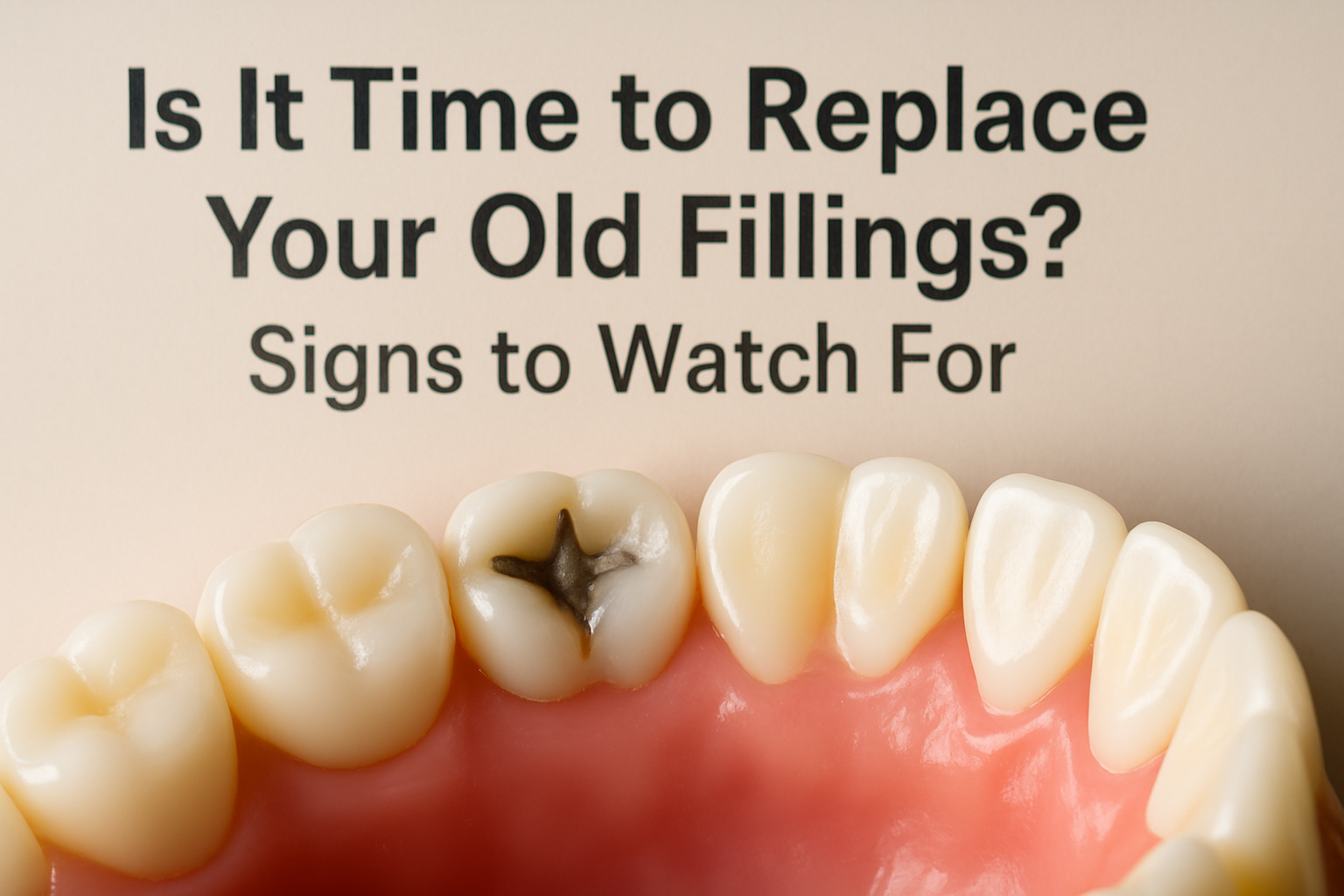
Is It Time to Replace Your Old Fillings? Signs to Watch For
Most people rarely think about their dental fillings once they’re in place, but these restorations don’t last forever. Over time, fillings can wear down, stain, or develop small cracks that aren’t always easy to spot on your own. When that happens, the tooth becomes vulnerable again, even if everything still looks normal in the mirror. Knowing the early signs of a failing filling can help you prevent more serious problems and protect the long-term health of your teeth.
One of the first hints that a filling may need attention is sensitivity. A quick zing from cold drinks, sweet foods, or chewing pressure can signal that the edges of the filling are no longer sealed as well as they should be. When that seal weakens, temperature and bacteria can reach the underlying dentin, which is far more sensitive than enamel. Sensitivity doesn’t always mean the filling must be replaced, but it’s an important sign that the tooth should be evaluated.
Changes in appearance can be another clue. Older silver fillings sometimes darken or corrode, and tooth-colored fillings may stain or chip over the years. Even a subtle shadow around the edges is worth noting, because discoloration often suggests wear or leakage beneath the surface. You might also notice a rough patch or chipped spot when your tongue runs over the tooth. These small changes often start at the edges and progress gradually as you chew, making early detection especially helpful.
A filling that begins to loosen or shift can create a slight change in your bite, even if you’re not fully aware of it. You might find yourself chewing differently or avoiding one side without realizing the cause. When a filling lifts even a tiny bit, bacteria can slip underneath and start a new cavity that grows quietly until it causes pain.
Sometimes the issue is simply age. Fillings don’t last forever and their lifespan varies depending on the material and the pressure they endure. Composite fillings typically can last several years, however depending on the size of the filling it can cause the tooth to break.
Replacing a worn or deteriorating filling early is far easier than waiting until a larger problem develops. When a filling fails, bacteria can enter the space beneath it and lead to decay, cracks, infection, or the need for more involved treatment. Updating a filling when it first shows signs of wear helps protect the tooth, reduce long-term costs, and maintain a healthier smile overall.
Many patients also appreciate the cosmetic benefit of modern tooth-colored fillings. These materials blend naturally with your enamel, making the tooth look smooth and uniform again. Replacing older silver restorations can brighten your smile and improve the way your teeth look when you laugh, talk, or take photos.
If you’re unsure whether your fillings are still in good shape, a quick exam can give you clear answers. With a combination of visual evaluation and X-rays, your dentist can determine whether your fillings are still doing their job or whether they’re beginning to show early signs of breakdown. In many cases, addressing a small issue now prevents a more complicated one later.


